
Table of Contents
- Understanding the Science: Why Electricity Makes Noise
- The Hidden Danger—Why Arc Faults Are Extremely Hazardous
- Normal Hum vs. Dangerous Buzz: How to Tell the Difference
- The Statistics That Demand Action: Electrical Fire Data Every Homeowner Should Know
- Heard a Buzzing Outlet? Here’s Your Step-by-Step Safety Action Plan
- Final Thoughts
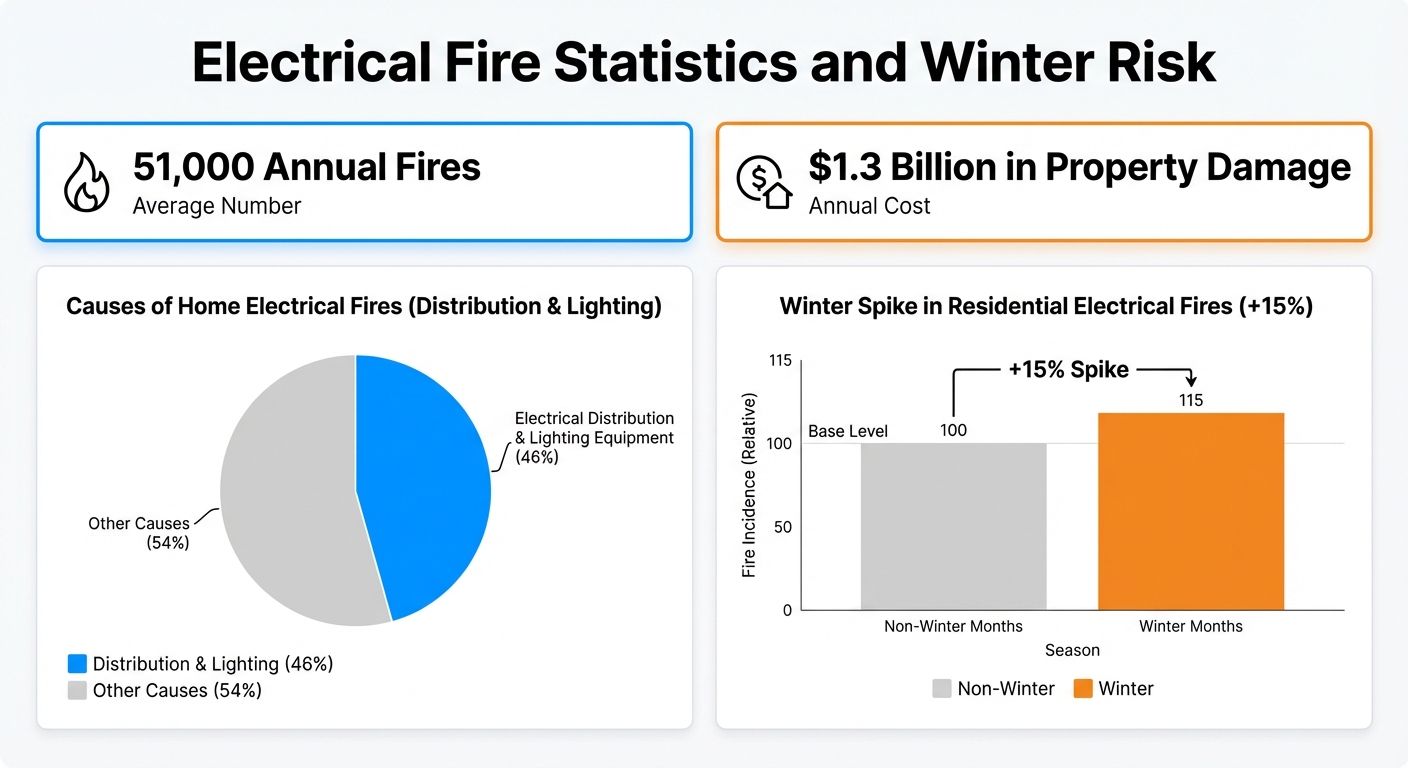
You’re lying in bed when you hear it—a faint buzzing coming from the outlet across the room. You tell yourself it’s nothing. But what if that sound is your home’s way of warning you about a hidden fire hazard? The statistics are sobering: home electrical fires account for an estimated 51,000 fires annually in the U.S., resulting in nearly 500 deaths, 1,400 injuries, and over $1.3 billion in property damage. Even more alarming, electrical distribution and lighting equipment—outlets, switches, and wiring—cause 46% of all home electrical fires. For homeowners in the Pacific Northwest, the risk is compounded by factors unique to our region. Older housing stock, especially in historic Portland neighborhoods, combined with increased winter heating loads, creates heightened vulnerability. Electrical fire incidents spike by 15% during winter months when space heaters, electric blankets, and additional lighting place extra demands on aging electrical systems. In this guide, Sarkinen Electrical breaks down exactly what causes that buzzing sound, why it’s dangerous, and what immediate steps you need to take to protect your home and family.
Understanding the Science: Why Electricity Makes Noise
Under normal circumstances, electricity flows silently through your home’s wiring. U.S. homes run on 60 Hz alternating current, meaning electricity changes direction 120 times per second. When your electrical system is functioning properly, this happens without any audible indication. But when sound appears—that’s when you need to pay attention. Buzzing, humming, or crackling indicates something is physically vibrating or arcing within your electrical system.
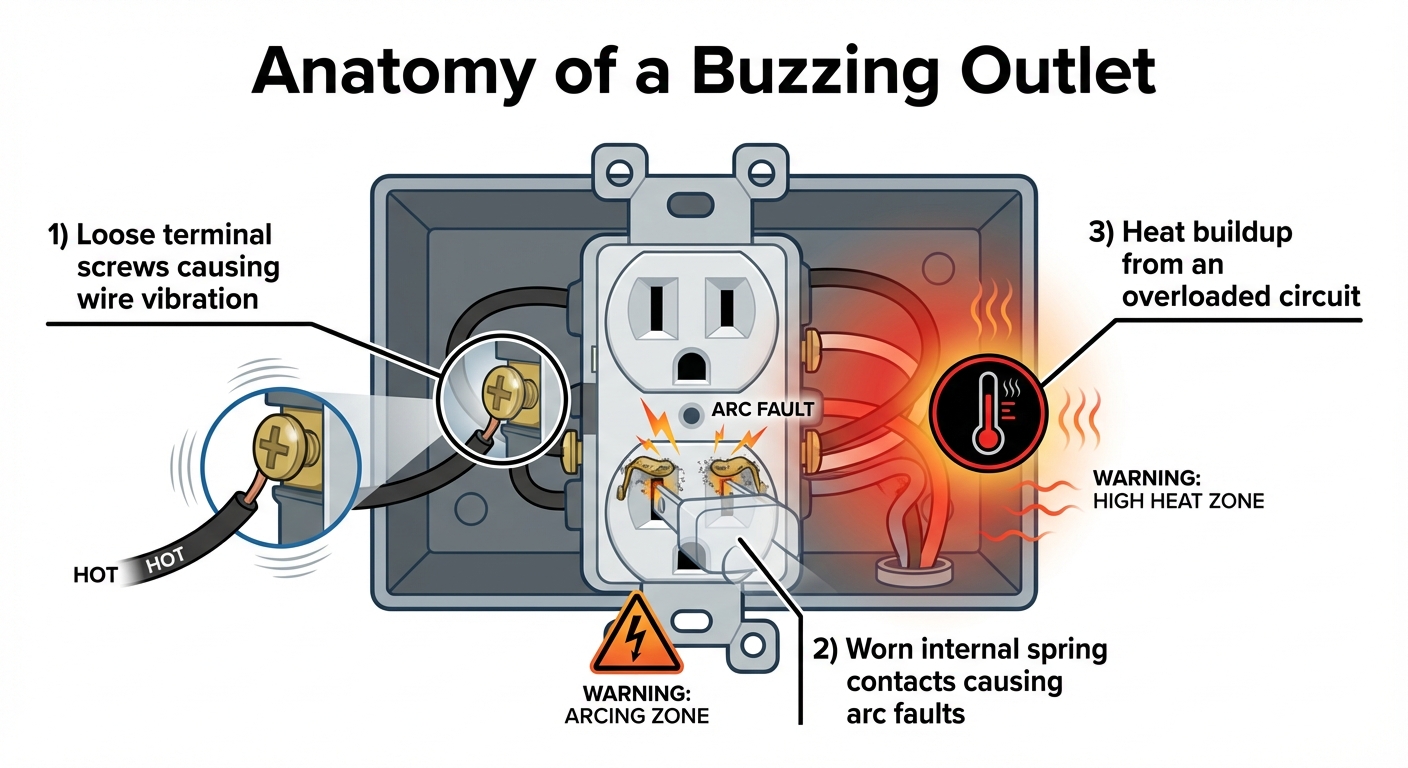
The Four Primary Causes of Electrical Buzzing
1. Loose Connections When the terminal screws that secure wires to your outlet become loose, the alternating current causes the wires to vibrate against the plastic housing at the 60 Hz frequency. This creates a continuous hum or buzz. While this might seem minor, loose connections generate heat and can progress to more dangerous conditions. 2. Arc Faults (Most Dangerous) This is the critical warning sign you cannot ignore. Arc faults occur when electrical current “jumps” across gaps due to compromised insulation or worn contacts. The result is a crackling or sizzling sound—and temperatures that can exceed 10,000°F. We’ll explore the extreme danger of arc faults in detail in the next section. 3. Overloaded Circuits When an outlet is drawing more current than it’s rated for, excessive resistance generates both heat and electromagnetic vibration. This typically produces a low hum and indicates your circuit is working beyond its safe capacity. Common culprits include multiple high-wattage appliances plugged into a single outlet or circuit. 4. Dimmer Switch Interference Older magnetic dimmers naturally produce some humming due to the rapid switching of current used to control light intensity. However, excessive buzzing in modern electronic dimmers signals either incompatibility with your light bulbs (such as using non-dimmable LEDs with a dimmer) or a failing switch that needs immediate replacement.
The Hidden Danger—Why Arc Faults Are Extremely Hazardous
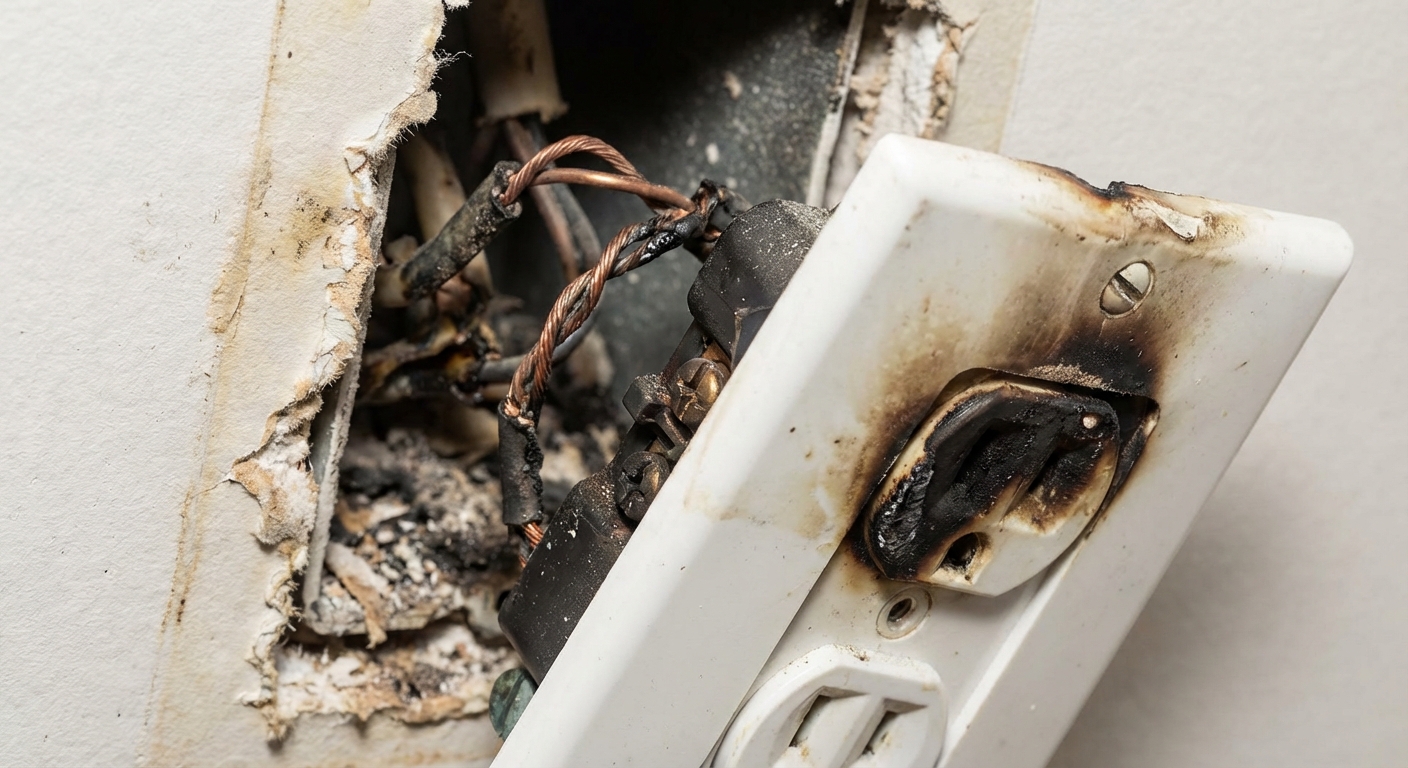
Arc faults represent the most severe electrical hazard in residential wiring. Understanding why requires grasping the extreme physics involved.
Temperature Extremes That Ignite Instantly
Arc faults can reach temperatures exceeding 10,000°F—more than twice the surface temperature of the sun. To put this in perspective, paper ignites at just 451°F, wood at 572°F, and even copper—the material used in your home’s wiring—melts at 1,984°F.
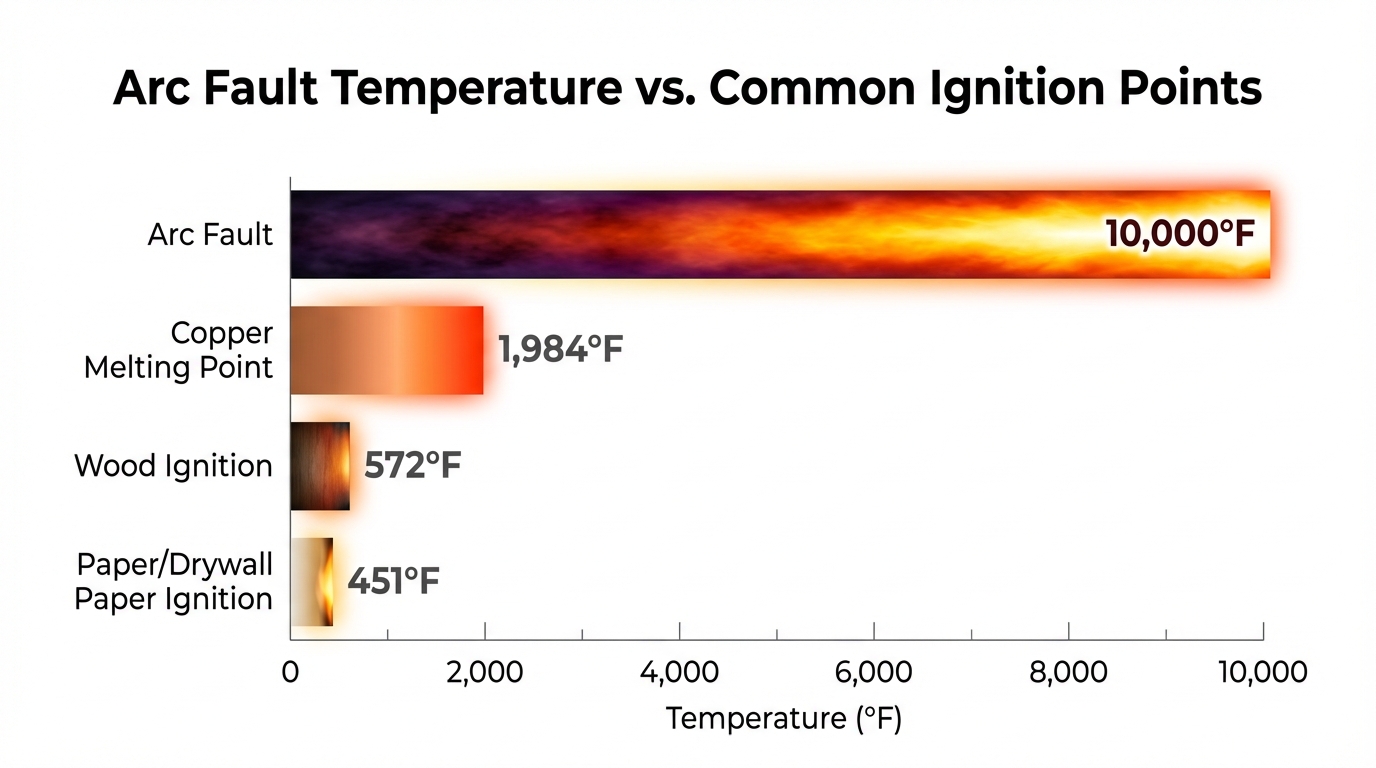
The Ignition Cascade
At these extreme temperatures, several catastrophic events happen simultaneously:
- Copper wiring begins to melt and degrade
- Plastic insulation around wires liquefies and burns
- Drywall paper backing ignites
- Wooden studs inside your walls catch fire
All of this can happen inside your walls, completely hidden from view, before any visible signs appear.
The Dangerous Carbonization Cycle
Perhaps most insidious is what happens after the initial arcing begins. The extreme heat creates carbon deposits on surrounding materials. Carbon is highly conductive, which means it actually makes subsequent arcing easier. This creates a dangerous feedback loop:
- Initial arc fault occurs due to damaged insulation or worn contacts
- Extreme heat carbonizes nearby materials
- Carbon deposits increase conductivity
- Arcing becomes easier and more frequent
- More carbonization occurs
- Cycle continues until fire or complete circuit failure
Why Arc Faults Are Hidden Threats
Arc faults typically occur inside walls or electrical boxes, meaning by the time visible signs appear—smoke, scorch marks, or the smell of burning plastic—significant damage may already be done. This is why audible warning signs are so critical.
Real-World Case Study: When “It Still Works” Isn’t Enough
A CPSC investigation examined a residential fire that originated from a bedroom outlet. The homeowner had heard “faint crackling” from the outlet but ignored it because the outlet still powered a bedside lamp normally.
Two weeks later, a fire started inside the wall cavity behind the outlet.
Investigators found that the 25-year-old outlet’s internal spring contacts had lost tension. When the lamp was plugged in, the loose connection caused microscopic arcing. Over time, this arcing carbonized the plastic housing and eventually reached combustion temperatures that ignited the wooden studs.
The critical lesson: functionality does not equal safety. An outlet can still deliver power while simultaneously creating a life-threatening fire hazard. The crackling sound was the early warning system—one that went unheeded until it was too late.
This is precisely why Arc Fault Circuit Interrupters (AFCIs) are now required by electrical code in new construction. These devices detect the electrical signature of arcing and shut off power before fire can start.
Normal Hum vs. Dangerous Buzz: How to Tell the Difference
Not all electrical sounds mean immediate danger, but the challenge for homeowners is that distinguishing between safe and hazardous sounds requires expertise most people don’t have. Here’s a practical framework to assess what you’re hearing:
| Sound Type | What It Sounds Like | Likely Cause | Danger Level | Action Needed |
|---|---|---|---|---|
| Faint, steady hum | Low-pitched, continuous drone | Older dimmer switches, fluorescent ballasts | Low (often normal) | Consider upgrading to modern LED-compatible dimmers |
| Loud, aggressive buzzing | Persistent, irregular vibration | Loose wiring, vibrating contacts, overloaded circuit | High | Turn off breaker immediately; call electrician |
| Crackling/sizzling/popping | Intermittent snapping sounds | Active arc fault behind wall | Critical/Emergency | Shut off main breaker; evacuate if smoke present; call immediately |
| Buzzing + physical heat | Buzzing accompanied by warm wallplate | High resistance causing thermal buildup | Critical/Emergency | Do not touch; shut off breaker; call immediately |
When in Doubt, Choose Safety
The Consumer Product Safety Commission is clear in their guidelines: homeowners should never attempt to diagnose electrical issues themselves. What sounds “minor” to an untrained ear could be the early warning of a catastrophic electrical failure. If you’re experiencing any unusual electrical sounds, the safest course of action is always professional evaluation. The cost of an inspection is minimal compared to the potential cost of fire damage—or worse, loss of life.
The Statistics That Demand Action: Electrical Fire Data Every Homeowner Should Know
Understanding the scope of electrical fire risk puts the urgency of addressing buzzing outlets into proper perspective.
National Scope of Electrical Fires
- 51,000 home electrical fires occur annually in the United States
- These fires result in nearly 500 deaths each year
- 1,400 injuries are attributed to home electrical fires annually
- Over $1.3 billion in property damage results from electrical fires each year
Equipment-Specific Risk
The National Fire Protection Association’s research reveals that electrical distribution and lighting equipment—the category that includes outlets, switches, and interior wiring—accounts for 46% of all home electrical fires. This means that the very components most likely to produce warning sounds are also the leading cause of residential electrical fires.
Regional Context for the Pacific Northwest
For Portland and Vancouver metro area homeowners, several factors compound electrical fire risk: Older Housing Stock: Many homes in historic Portland neighborhoods were built decades ago, when electrical codes were less stringent and typical household electrical demands were a fraction of what they are today. Homes built before the 1970s often lack modern safety features like Ground Fault Circuit Interrupters (GFCIs) and Arc Fault Circuit Interrupters (AFCIs). Winter Heating Demand: The Pacific Northwest experiences a 15% spike in electrical fires during cold months. Space heaters, electric blankets, heated floors, and increased lighting all place additional strain on electrical systems. When an already-marginal circuit faces increased load, that’s when failures occur. Moisture Infiltration: While less common than other factors, the wet Pacific Northwest climate can contribute to moisture infiltration in older electrical systems, particularly in crawl spaces, attics, and exterior walls. Moisture combined with electricity creates corrosion, which increases resistance and can lead to arcing.
The Prevention Opportunity
Here’s the encouraging news: most electrical fires are preventable with professional inspection and proactive maintenance. The warning signs—buzzing, crackling, warm wallplates, flickering lights—typically appear before fire starts. The key is recognizing these warnings and taking immediate action.
Heard a Buzzing Outlet? Here’s Your Step-by-Step Safety Action Plan
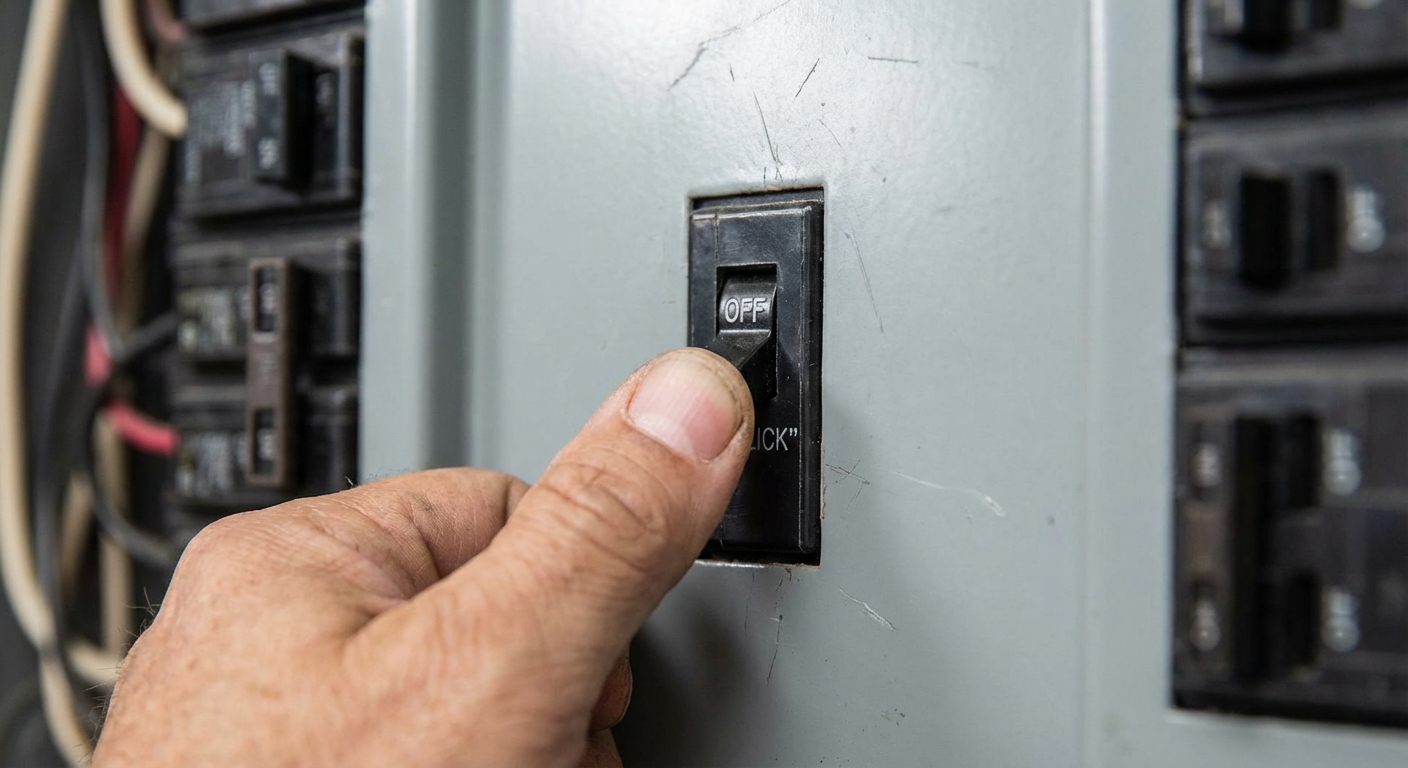
If you hear buzzing, crackling, or any concerning sounds from an outlet or switch, follow this safety protocol immediately:
Immediate Safety Steps
1. Do NOT Touch the Outlet or Switch Never attempt to unplug devices from a buzzing outlet. Physical movement can worsen arcing or cause electrical shock. Even if the outlet appears to be functioning normally, internal arcing creates unpredictable and dangerous conditions. 2. Locate Your Electrical Panel Immediately Find the breaker that controls the affected circuit. In most homes, the electrical panel is located in the basement, garage, or utility room. If your breakers aren’t clearly labeled, you may need to test several to find the correct one. Flip the breaker to the “OFF” position. Label the breaker with tape so no one inadvertently turns it back on. If you have a circuit directory, note the date and issue for future reference. 3. Assess for Immediate Danger Once power is shut off, check for these warning signs (without touching the outlet):
- Burning smell: Often described as “fishy” or like burning plastic
- Scorch marks: Dark discoloration on or around the wallplate
- Physical heat: Heat radiating from the wall (check without direct contact)
- Visible damage: Melted plastic, discolored wiring, or any visible burning
4. Do NOT Attempt DIY Repairs This point cannot be emphasized enough. Electrical work without proper licensing is:
- Illegal in many jurisdictions without proper permits
- Potentially fatal when working with active electrical faults
- Not covered by insurance if unlicensed work causes damage
Even if the breaker is off, electrical panels can still contain live circuits. Professional electricians have specialized training and diagnostic equipment that homeowners don’t possess. 5. Call a Licensed Professional Certified electricians bring specialized capabilities to electrical diagnostics:
- Thermal imaging cameras to detect hot spots inside walls
- Digital multimeters to measure voltage, resistance, and current
- Arc fault detection equipment to identify intermittent arcing
- Code knowledge to ensure repairs meet current safety standards
Sarkinen Electrical provides emergency electrical services throughout the Portland and Vancouver metro areas. Our technicians carry advanced diagnostic tools and can typically identify and resolve electrical hazards in a single visit.
Additional Safety Tips for Long-Term Protection
Beyond addressing immediate buzzing outlets, these practices help maintain electrical safety:
- Never use extension cords as permanent wiring solutions. Extension cords are designed for temporary use and lack the safety features of permanent wiring.
- Don’t ignore other warning signs: Flickering lights, warm wallplates, burning smells, and discolored outlets all indicate electrical problems requiring professional attention.
- Schedule regular electrical safety inspections, especially in homes over 25 years old. Aging electrical systems require periodic evaluation to ensure they meet current demands safely.
- Upgrade to modern safety devices. If your home lacks GFCI outlets in bathrooms and kitchens, or AFCI breakers in bedrooms and living areas, consider upgrading to current code standards through our electrical upgrades service.
Take Action Now
If you’re experiencing electrical buzzing, crackling, or any concerning sounds, don’t wait. Contact Sarkinen Electrical for a professional safety inspection. Our team serves Portland, Vancouver, and surrounding communities with fast, reliable electrical diagnostics and repair.
Final Thoughts
That buzzing outlet isn’t just an annoyance—it’s your home’s early warning system alerting you to a potentially life-threatening hazard. Arc faults can reach 10,000°F, and electrical fires cause over $1.3 billion in damage annually. These aren’t abstract statistics; they represent real homes, real families, and real tragedies that were often preventable. The difference between a minor repair and a devastating house fire often comes down to one decision: taking that buzzing sound seriously. At Sarkinen Electrical, we’re committed to keeping Pacific Northwest families safe through expert electrical diagnostics and rapid emergency response. We understand the unique challenges presented by our region’s older housing stock and seasonal electrical demands. Our technicians are trained not just to fix immediate problems, but to identify potential hazards before they become emergencies. Electrical safety isn’t about perfection—it’s about awareness and action. By recognizing warning signs and calling a professional when needed, you’re protecting what matters most: your home and your family. Concerned about electrical sounds in your home? Don’t let a small warning sign become a major disaster. Schedule a comprehensive electrical safety inspection with Sarkinen Electrical today.
Contact Sarkinen Electrical
Don’t ignore the warning signs. Protect your home and family with a professional electrical safety inspection.
References:
- U.S. Department of Energy. (2022). Understanding Alternating Current and Electrical Frequency. https://www.energy.gov/articles/how-alternating-current-works
- Electrical Safety Foundation International (ESFI). (2023). Arc Fault Circuit Interrupters (AFCIs). https://www.esfi.org/arc-fault-circuit-interrupters-afcis/
- U.S. Consumer Product Safety Commission (CPSC). (2019). Home Electrical Safety Checklist. https://www.cpsc.gov/s3fs-public/513.pdf
- Occupational Safety and Health Administration (OSHA). (2021). Electrical Safety: Arc Flash and Arc Blast. https://www.osha.gov/electrical/hazards
- National Institute of Standards and Technology (NIST). (2018). Fire Dynamics and Electrical Arcing. https://www.nist.gov/publications/electrical-arcing-and-fire-ignition
- Electrical Safety Foundation International (ESFI). (2024). Home Electrical Fires: Statistics and Safety. https://www.esfi.org/home-electrical-fires/
- National Fire Protection Association (NFPA). (2022). Home Structure Fires Involving Electrical Distribution or Lighting Equipment. https://www.nfpa.org/education-and-research/research/nfpa-research/fire-causes/electrical
- U.S. Fire Administration (USFA/FEMA). (2023). Winter Fire Safety Statistics and Mitigation. https://www.usfa.fema.gov/statistics/residential-fires/
- U.S. Consumer Product Safety Commission (CPSC). (2020). Residential Electrical Fire Hazard Analysis. https://www.cpsc.gov/Research–Statistics/Electrical-Fires